The Countryside Is Not One Story: Avoiding the Single-View Myth
Read rural news with care: see how land, local knowledge, and regional ties shape a story, and avoid treating one community’s account as universal.
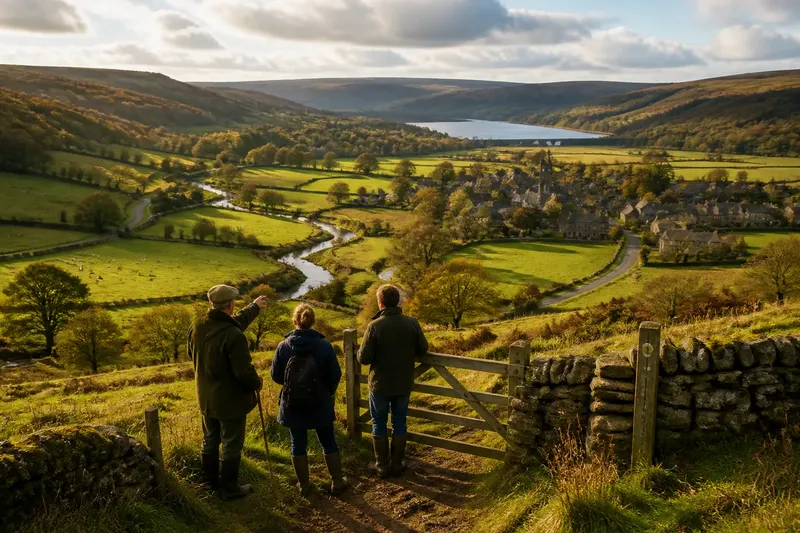
The common mistake in reading a rural story is to treat its setting as scenery rather than part of the news. A report about a field, forest, or village can miss the forces shaping local life if it leaves out who uses the land, who makes decisions about it, and how nearby places depend on it. Reading rural news well means noticing those relationships, not assuming that one landscape or account represents the countryside.
Land has many meanings
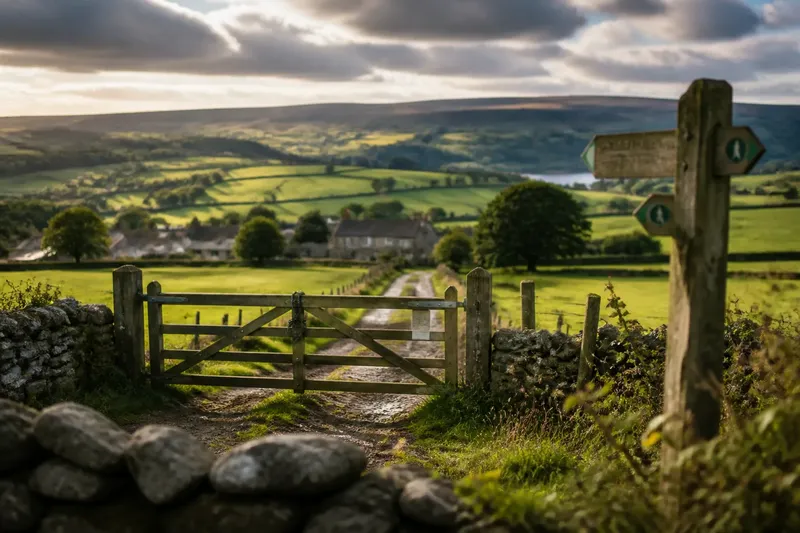
A single stretch of land can be farmland, a habitat, a source of drinking water, a route to school, or a place where people gather. These meanings can overlap, but they are not interchangeable. A story about a proposed woodland, for instance, may focus on habitat while giving little attention to grazing rights or access paths.
When a news story names land, ask what role it plays in the account. Is it privately owned, managed by a public body, or held in common? Does the report describe a working landscape, a protected area, or a place used for recreation? Those distinctions help explain why people may respond differently to the same change.
Look for the decision-making structure as well as the landscape. A parish council, landowner, national park authority, water company, or conservation group may have a different role in a land-use decision. The article should make clear who has authority and who is affected.
Notice who can use the land, and under what terms.
Local knowledge matters
People who live or work in a place often know details that are difficult to see from a map or official statement. A farmer may understand how a field drains after heavy rain. A bus rider may know which stop is reachable on foot from a particular hamlet. A commoner may understand how seasonal grazing works on shared land.
Local knowledge is valuable, but it has a point of view. One person’s familiarity does not make them a spokesperson for every neighbor. A strong account tells readers what the source knows directly and where that knowledge has limits.
Consider a story about a stream restoration project. A resident who has watched the stream for years can describe changes at a familiar crossing. An ecologist can explain habitat needs, while a land manager can clarify how access or maintenance will change. These perspectives answer different questions; none should be made to stand in for all the others.
Follow the connections
Rural places are connected through work, travel, water, services, and shared landscapes. A decision in one village may affect people who live elsewhere, especially when they use the same road, market, watershed, or public facility. A story that names only the location of a decision may leave its wider effects unclear.
Check whether the report explains the relevant connections. For a new quarry, that might mean traffic routes, nearby homes, local employment, and the source of water used at the site. For a school change, it might mean which settlements feed into the school and how students travel. The important links depend on the subject.
Say you read a report about closing a rural library branch. Imagine the story names the village and quotes a council member but does not mention residents from nearby settlements who use the branch. The account may explain the council’s decision, but it leaves the effect on those other communities unresolved. A fair retelling should keep that distinction visible rather than treating the village boundary as the boundary of the story.
Read rural news through place?
Why does the land’s history matter?
Past ownership, access rights, and land use can shape what a proposed change means now. If the story does not explain those details, readers may mistake a long-standing local arrangement for a simple question of preference.
Who counts as a local voice?
That depends on the issue: residents, workers, tenants, land managers, or people who use a service may all have relevant knowledge. Check which voices the report includes and what each person can speak to directly.
Can a map explain the whole story?
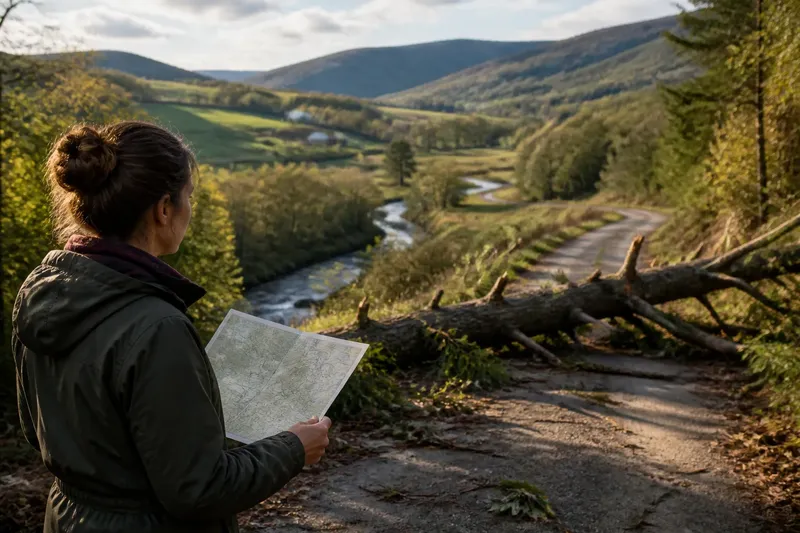
A map can show boundaries, distances, or routes, but it cannot by itself explain how people use a place or experience a change. Pair the map with descriptions of access, work, and daily routines where those details matter.
What if local accounts disagree?
Keep the disagreement visible and ask what each person means by the terms at issue, such as access, conservation, or livelihood. Different accounts may reflect different roles or experiences rather than a simple factual dispute.
Keep a place note
A brief place note can help you read a story without flattening its setting. As you go, record what the article says about these points:
- Land use: If the story names farming, conservation, housing, or another use, note it; if it does not, avoid assuming what happens on the land.
- Decision-maker: If the report names an authority or owner, identify its role; if it does not, treat responsibility as unclear rather than assigning it to a nearby council.
- Access: If the story describes who can enter or travel through the place, note the conditions; if access is omitted, do not assume the land is open to everyone.
- Local voices: If sources include people with different roles, note what each knows; if only one role appears, describe the account as limited to that perspective.
- Connected places: If the article names nearby settlements, routes, or shared resources, keep them in view; if not, avoid extending its account to places it has not discussed.
- Change over time: If the report gives a past and present context, note what changed; if it offers only a snapshot, do not present that moment as a settled pattern.
These observations do not decide whether a story is right or wrong. They help identify what it explains and what remains outside its frame.
Share the story fairly
When you repeat a rural news story, include the place and relationship that make it specific. “A council is changing access to a shared grazing area” says more than “the countryside is losing access,” especially if the report concerns one location and one decision.
The main search phrase, reading rural news, is useful because it points to a habit of attention: ask how land, local knowledge, and connected places shape what the report can explain. If the story concerns a different community, treat its details as context to consider, not as a ready-made answer for that place.
Before sharing, name the people or places that the story leaves out if their absence affects how the issue is understood. That small clarification helps preserve the local account without turning it into a story about everyone.